
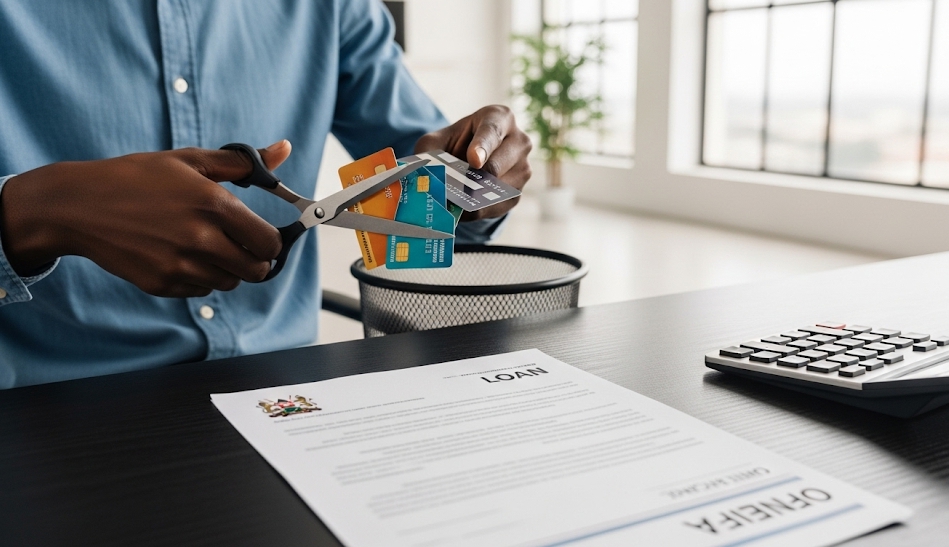

If you’re a Kenyan hustling through multiple loans every month — a bank loan here, a Sacco loan there, plus that stubborn Fuliza or Tala — you’re not alone. Many of us find ourselves juggling different debts and it feels like there’s always someone waiting for your money at the end of the month.
So you’ve probably heard about debt consolidation and wondered: could this actually ease things for me, or is it just another trap? Let’s break it down in plain terms and see if it could help sort your finances.
What Exactly is Debt Consolidation?
Debt consolidation is basically taking out one new, bigger loan to pay off all your smaller loans. Instead of paying five different people every month, each with their own interest rates and due dates, you just have one loan to worry about. One lender, one monthly payment, one interest rate. Sounds neat, right?
How Do You Start Consolidating Your Debts in Kenya?
First things first: you need to know exactly how much you owe. Sit down with a notebook or a simple Excel sheet and write down every loan you have.
| Creditor | Type of Loan | Outstanding Balance (KES) | Monthly Payment (KES) |
|---|---|---|---|
| ABC Bank | Personal Loan | 150,000 | 8,000 |
| XYZ Sacco | FOSA Loan | 45,000 | 5,000 |
| Tala | Mobile Loan | 10,000 | 11,500 |
Once you have the total, you can approach a bank, Sacco, or microfinance institution for a consolidation loan. Often, the lender will directly pay off your existing debts, leaving you with just one new loan to handle.
Types of Consolidation Loans You’ll Find Here
Different lenders have different setups. Here’s what you’re likely to come across:
| Loan Type | How It Works | Best For | Main Risk |
|---|---|---|---|
| Unsecured Personal Loan | No collateral needed; based on your income & credit history. | People with stable payslips. | Higher interest rates. |
| Secured Loan | You give collateral like your car logbook or land title. | Anyone looking for lower rates or bigger amounts. | If you fail to pay, you lose your asset. |
| Sacco Loan | Secured by your Sacco savings and guarantors. | Active Sacco members. | Your guarantors could get stuck paying if you default. |
Can You Use It to Clear Fuliza, Tala, M-Shwari?
Yes, and this is why many Kenyans love the idea. Instead of paying crazy daily or weekly rates on mobile loans, you can take one bigger, cheaper personal loan from your bank or Sacco and wipe them all out. It gives you breathing space and stops that endless cycle.
Pros and Cons — Be Honest With Yourself
| Advantages | Disadvantages |
|---|---|
|
|
How Does It Affect Your CRB Score?
| Timeframe | Effect | Why |
|---|---|---|
| Short-Term | Small drop | Because your lender does a hard inquiry. |
| Long-Term | Likely improvement | Old loans cleared, and consistent new payments boost your record. |
Should You Go for Debt Consolidation?
Ask yourself:
- Is managing many payments every month stressing you out?
- Are most of your loans high-interest like credit cards or mobile loans?
- Do you have reliable income to handle one consolidated payment?
- Are you disciplined enough not to start borrowing again?
If you’re nodding ‘yes’, then debt consolidation could really help. If not, you might need to try a strict budget or seek financial counseling first.
Where to Get Such Loans in Kenya
Your main options are big commercial banks like KCB, Equity, Co-op, your Sacco (often best rates), or microfinance institutions like Faulu. Always shop around and compare before you sign anything.
Quick Q&A
How long does it take?
An unsecured loan can be ready in a week. If it’s secured with something like a title deed, expect about 3-4 weeks for valuation and legal stuff.
Any hidden charges?
Definitely ask for a full cost breakdown. Look out for processing, insurance, legal, or valuation fees. Lenders in Kenya are required by the Central Bank to be upfront about these, so insist on it.
Can I consolidate my HELB loan?
No. HELB is a government loan with its own repayment structure. Consolidation loans only cover commercial debts.
Hopefully, this gives you a clearer picture. Handle your money wisely, and remember: the goal isn’t just to pay off debt but to stay out of it for good.